


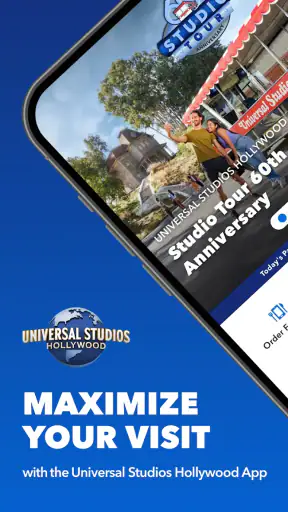
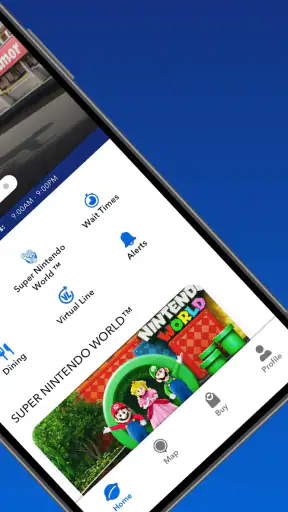
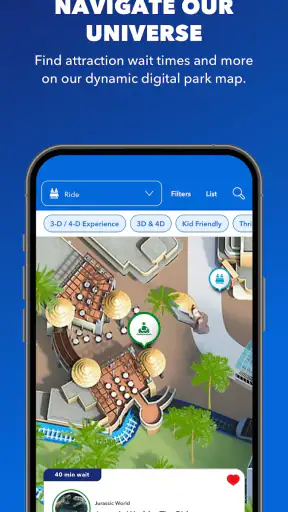
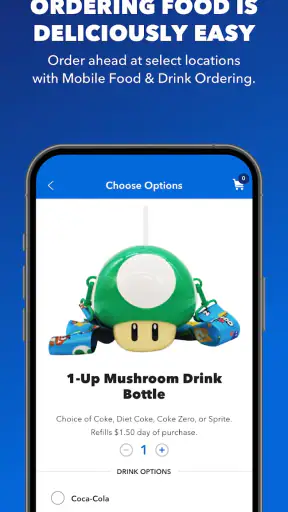
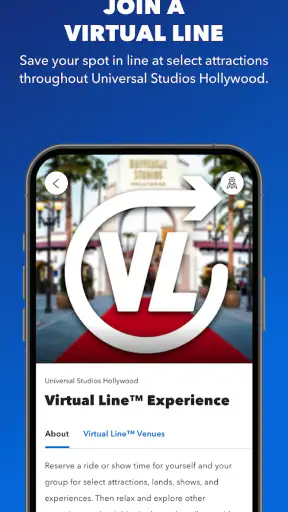
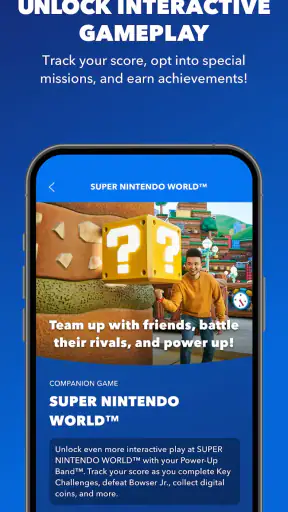
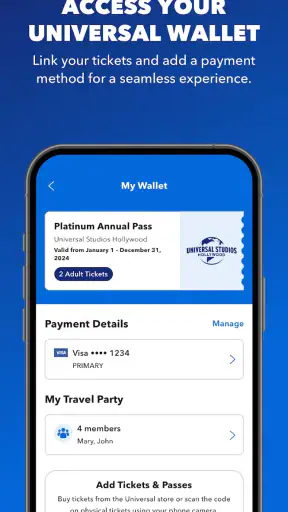
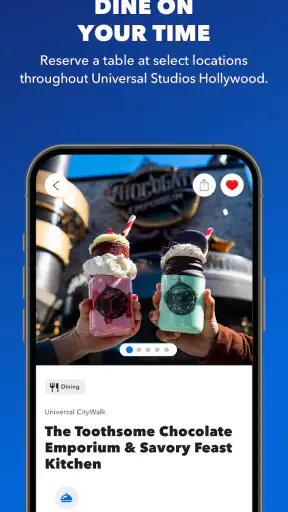
If I were planning a day at Universal Studios Hollywood, I would install Universal Studios Hollywood before leaving home. It is a free travel and local app from NBCUniversal Media, LLC, designed around the practical problem of making a theme-park visit easier to organize. The store summary, “Maximize Your Visit,” is a fair description of its purpose, but it does not quite capture the difference between having park information in one place and trying to manage a full day through scattered searches, screenshots, and paper notes.
My view is straightforward: this is most useful as a companion for an actual visit, not as a general travel app and not as a replacement for every other planning tool. It can help you think through the shape of your day, check details while you are moving around, and reduce the number of small decisions that otherwise consume time. At the same time, a free download does not automatically make it essential. Its value depends heavily on whether you are visiting Universal Studios Hollywood soon, how much planning your group needs, and how comfortable you are relying on a park-specific app during a busy day.
What the app is really for before and during a park visit
The app belongs in the Travel & Local category, but I would think of it as a destination companion rather than a broad city guide. It is focused on Universal Studios Hollywood, so its usefulness comes from concentration: instead of sorting through unrelated Los Angeles attractions, you can use one place to prepare for the park experience itself. That focus is helpful when your questions are practical and immediate, such as what to prioritize, where to check information, or how to keep your plans from becoming too rigid.
I found the best way to approach it is in two stages. Before the visit, I would use it to build a loose plan rather than a minute-by-minute schedule. Theme-park days rarely follow a perfect timetable, and an app can create frustration if you treat every planned stop as a promise. A better workflow is to identify the attractions, areas, meals, and breaks that matter most to your group, then leave room for changes once you are inside.
During the visit, the app has a different role. It becomes a quick reference point when somebody in the group asks what to do next. That sounds simple, but it matters when children are tired, adults are trying to agree on priorities, and nobody wants to stand still while one person searches through several browser tabs. The app is at its strongest when it turns those small moments into faster decisions.
I would not install it expecting a complete Los Angeles itinerary. If your trip includes museums, beaches, restaurants, and several unrelated attractions, a general maps app or travel planner will remain more useful for the wider holiday. This one earns its place through its connection to the Universal Studios Hollywood visit itself.
Free access changes the value calculation
The app is free to download, which gives it an immediate advantage for visitors who are deciding whether it is worth trying. You do not have to commit money simply to see whether its layout suits your planning style. That makes experimentation reasonable: install it before your visit, explore the information you need, and decide whether it improves your preparation.
It is important, though, to separate the app’s free access from the cost of the park trip. The download does not turn the wider visit into a free experience, and I would not judge the app as though it were the main purchase. Its value is closer to that of a digital companion: it may help you use your day more effectively, but it is not itself the attraction, admission, or a substitute for decisions about the broader trip.
I also prefer this kind of value assessment because it avoids pretending that every free app is automatically a bargain. A free tool can still waste time, feel confusing, or provide too little practical help. In this case, the sensible test is whether it reduces planning friction for your particular visit. If it does, the cost barrier is low. If you are not going to Universal Studios Hollywood, there is little reason to keep it installed simply because it costs nothing.
The current version is 2026.8.1, and the app supports devices running at least OS 9. That makes compatibility worth checking before a trip, especially if you are preparing an older phone that you plan to use as your main navigation or planning device. I would test the app at home rather than waiting until the entrance, when a compatibility problem or an unfamiliar interface is more inconvenient.
Where the app can deliver practical value
The clearest benefit is consolidation. A park visit creates many small information needs, and handling each one through a separate search is inefficient. A dedicated app gives those questions a common home. I like that approach for group travel because it is easier to hand the phone to another person and let them see the same park-focused context instead of explaining which browser tab contains which detail.
A second benefit is decision-making under changing conditions. Even a carefully prepared day can shift when the group gets hungry, a child loses interest, or an attraction becomes less convenient than expected. Rather than treating the original plan as fixed, I would use the app to re-evaluate the next choice. That is a more realistic workflow than trying to predict every movement before arriving.
One useful, less obvious tip is to plan in priorities instead of a long checklist. Mark mentally which experiences are “must do,” which are “nice if nearby,” and which can be dropped without disappointing anyone. Then use the app to support those priorities as the day develops. This prevents the common mistake of spending too much energy chasing completeness and too little enjoying the visit.
Another practical use is sharing responsibility. One person can handle the next-stop decision while somebody else manages tickets, bags, children, or a meal break. That division works better when the information source is simple enough to consult quickly. I would also let each adult in the group become familiar with the app before arrival, rather than assuming one person will remain the permanent planner all day.
The app can also help first-time visitors feel less dependent on guesswork. A large theme park can be mentally tiring even when the physical layout is straightforward. Having a dedicated reference point reduces the urge to improvise every decision from scratch. For repeat visitors, its value may be narrower, but it can still help when returning with a different group or when the goal of the day has changed.
Tradeoffs that matter in real use
The biggest tradeoff is focus. A Universal Studios Hollywood app can be more relevant inside the park than a general travel app, but it is less useful for everything outside it. If your main challenge is building a complete Los Angeles holiday, you will still need broader tools for transport, restaurants, neighborhoods, and other attractions. I would use this app alongside those tools, not instead of them.
There is also a risk of overplanning. A dedicated park app can encourage visitors to stare at their phones and optimize every transition. That may be useful for a short visit with a very specific priority list, but it can also make a relaxed day feel like a project. My advice is to consult it at natural decision points rather than constantly checking it. Use it to regain direction, not to measure every minute.
Battery and connectivity are practical concerns for any phone-based park companion. I would start the day with a charged device, carry a charging option if your group depends on the phone, and avoid assuming that a digital plan is automatically available in every moment. Even without inventing a particular offline behavior, the general lesson is sound: keep essential booking or admission information accessible in the way your trip requires, and do not make the app your only backup.
Another tradeoff is the learning curve. A first visit may involve enough excitement and logistics that a new interface feels like one more thing to understand. That is why I recommend opening the app before the trip, not at the gate. Spend a few minutes deciding where the information you expect to use is located. The small amount of preparation pays off when your group is already moving.
The public response is mixed rather than universally enthusiastic. The app holds a 3.3 average from around 2.1 thousand ratings, alongside more than 500 reviews. I would read that as a reason to keep expectations measured. It is not evidence that the app is unusable, but it does suggest that individual experiences may vary and that the app should be judged by whether it works for your specific planning needs, not by the promise of a flawless digital visit.
How it compares with the usual alternatives
The most obvious alternative is using a mobile browser. A browser is flexible and familiar, and it is often the better choice when you are researching the entire trip or comparing information across several destinations. The dedicated app has an advantage when you want Universal Studios Hollywood information gathered in a destination-specific setting, without repeatedly searching for the same context.
Maps apps are better for getting around Los Angeles and coordinating the park with hotels, restaurants, or other stops. They are also useful when several people need a general location tool. However, a map alone is not designed around the rhythm of a theme-park day. I see the two tools as complementary: maps for the wider journey, and the Universal app for park-centered planning and reference.
Paper notes still have one underrated advantage: they do not drain a battery and they are easy to share. For a simple family plan, a short handwritten list may be enough. The app becomes more valuable when plans are likely to change or when the group needs to consult current park-focused information repeatedly. If your visit is highly casual and you already know what you want to do, paper may genuinely be the less distracting option.
A general itinerary app can be better for a multi-day holiday because it connects reservations, places, and schedules across different destinations. The Universal app should win only when the park itself is the center of the planning problem. Choosing it is less about replacing every travel tool and more about adding a specialized layer where a general planner becomes too broad.
Who will get the most from it
I think the strongest audience is a first-time visitor, a family coordinating different ages, or anyone with limited time who wants to make sensible priorities before arriving. The app is also useful for visitors who dislike carrying printed notes or opening many browser pages throughout the day. Its focused nature can make a complicated outing feel more manageable.
It may be especially worthwhile when one person in the group usually becomes responsible for all the logistics. Sharing the app’s role can spread that burden. Before the visit, agree on the top priorities. During the day, ask another adult to choose the next step using the app while you handle the practical details. This small change can make the experience feel less like one person is running an operation for everyone else.
Repeat visitors should be more selective. If you already know the park well and your day is built around a familiar routine, the app may offer only incremental value. I would still try it when visiting with people who have never been, when you want to revisit areas you usually skip, or when your planning needs are different from your previous trip.
Someone who is not visiting Universal Studios Hollywood should skip the download. The same is true for a traveler looking for a complete Los Angeles guide, a detailed city transport planner, or a universal itinerary tool. The app’s specialization is its strength, but that specialization also defines its limits.
My everyday use case and the workflow I recommend
Imagine a family arriving with a child who wants attractions, a parent who cares about keeping the day comfortable, and another adult who wants to fit in as much as possible. Before leaving the hotel, I would open the app together and agree on a short list of priorities. I would then separate those priorities from optional stops, allowing the day to change without making anyone feel that the plan had failed.
Once inside, I would check the app after completing a major part of the plan, not after every small movement. If the group is hungry or tired, that becomes the next planning question. If everyone is still energetic, the app can help choose another priority. This workflow uses the app as a decision aid rather than a taskmaster, which is where I think it provides the most human value.
For a short visit, I would prepare more carefully because wasted time matters more. For a full day, I would prepare less rigidly and use the app for course corrections. For a repeat visit, I would start with the experiences the group missed previously instead of rebuilding the entire trip from zero. Those three approaches make better use of a specialized app than applying one fixed plan to every visitor.
I would also make sure the whole group understands that the app cannot settle every disagreement. Technology can show information and support choices, but it cannot decide whether the group would rather repeat a favorite experience or take a break. The best result comes from combining the app’s organization with a realistic conversation about energy, interests, and time.
My verdict on downloading it
With over 1 million installs, this is clearly not an obscure experiment, but popularity alone is not a reason to keep it. My recommendation is conditional and practical: if Universal Studios Hollywood is part of your near-term plans, download it because the price is free and the potential planning benefit is easy to test. Explore it at home, decide whether it helps you organize priorities, and keep a backup approach for the information your group considers essential.
I would skip it if you are only browsing destinations, planning a wider Los Angeles trip, or already have a simple routine that works without a park-specific tool. I would also avoid turning it into a constant screen-based schedule. Its best role is a focused companion that reduces friction at key moments, not a replacement for judgment or enjoyment.
The app is rated for Everyone 10+, and its developer is NBCUniversal Media, LLC. Those details fit its role as a mainstream park companion, but the more important question is whether its focused information matches your visit. In my experience, the free download makes that question easy to answer without financial risk: try it before the trip, use it selectively, and remove it afterward if it did not add anything.
My final recommendation: download it for a planned Universal Studios Hollywood visit, especially if you are going for the first time or coordinating a group. Treat it as a planning and reference tool rather than a guarantee of a perfect day. That distinction is what makes the app useful without overselling what a phone can do for a busy theme-park experience.


